في عمليات حفر النفط والغاز، مضخة طرد مركزي للرمليُعدّ هذا الجهاز أحد المعدات الأساسية في نظام التحكم بالمواد الصلبة. وهو مسؤول بشكل رئيسي عن فصل المواد الصلبة عن السائلة في سائل الحفر عالي اللزوجة المحتوي على الرمل، ونقله إلى معدات مثل... هزازات الصخر الزيتيو ديساندرز لضمان سير عمليات الحفر بسلاسة، يتميز سائل الحفر عالي اللزوجة (عادةً ما تكون لزوجته ≥ 50 ملي باسكال.ثانية) بانخفاض سيولته، وارتفاع نسبة المواد الصلبة فيه، ومقاومته العالية، مما يفرض متطلبات أعلى على أداء وتصميم مضخات الرمل الطاردة المركزية. إن اختيار المضخات بشكل غير مناسب لا يؤدي فقط إلى انخفاض كفاءة المضخة وارتفاع استهلاك الطاقة، بل يتسبب أيضًا في أعطال مثل تآكل المضخة، وانسدادها، وتحميلها الزائد، مما يؤثر سلبًا على تقدم عملية الحفر ويزيد من التكاليف. لذلك، يُعد اختيار مضخات الرمل الطاردة المركزية بشكل علمي وعقلاني أمرًا أساسيًا لضمان فعالية معالجة سائل الحفر عالي اللزوجة وخفض تكاليف التشغيل.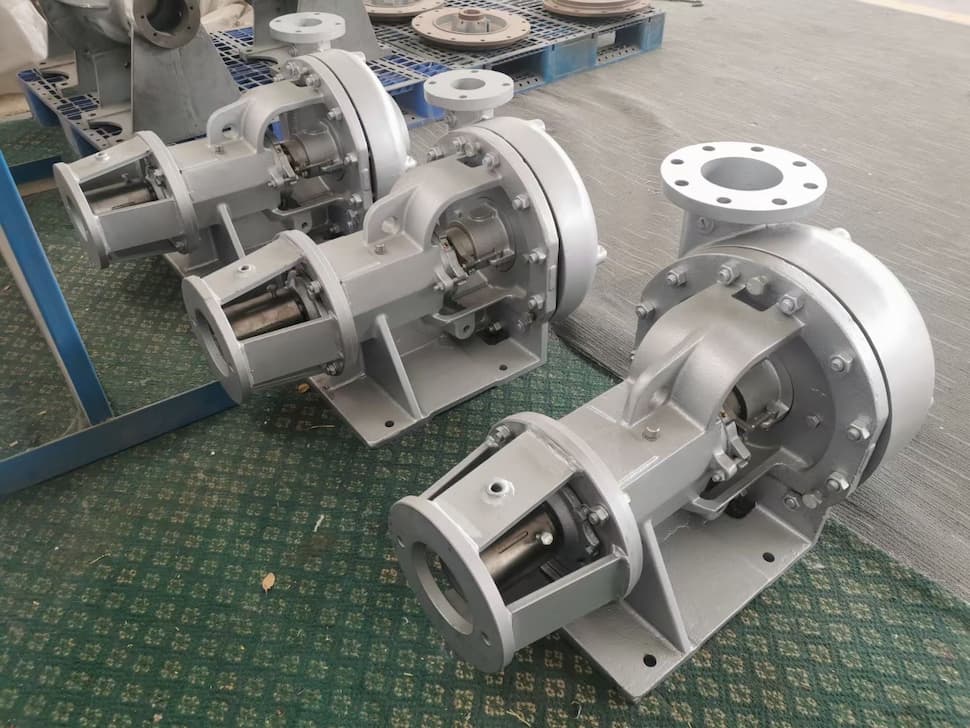
أولاً: أسس الاختيار
جوهر الاختيار هو التكيف، وشرط التكيف هو الفهم الكامل للخصائص الكامنة لسائل الحفر عالي اللزوجة والمتطلبات المحددة للعمليات في الموقع، وهو الأساس لتجنب انحرافات الاختيار.
(أ) توضيح الخصائص الأساسية لسائل الحفر عالي اللزوجة
تُحدد خصائص سائل الحفر عالي اللزوجة بشكل مباشر اتجاه اختيار مضخة الرمل. ركز على النقاط الثلاث التالية: أولاً، معايير اللزوجة. حدد اللزوجة الديناميكية واللزوجة الساكنة لسائل الحفر عند درجة حرارة التشغيل (عادةً 20-80 درجة مئوية). كلما زادت اللزوجة، زادت مقاومة السائل، وزادت متطلبات ضغط وقوة مضخة الرمل. ثانياً، محتوى المواد الصلبة وحجم الجسيمات. غالباً ما يكون سائل الحفر عالي اللزوجة مصحوباً بكمية كبيرة من نواتج الحفر وجزيئات الرمل. كلما زاد قطر الجسيمات وزاد محتواها، زاد تآكل مكونات المضخة، مثل... مراوح مضخات الرمل و أغلفة مضخات الرمللذا، ينبغي إعطاء الأولوية للتصميم المقاوم للتآكل. ثالثًا، الكثافة والتآكل. تُضاف إلى بعض سوائل الحفر عالية اللزوجة مواد مُثقِّلة (مثل الباريت) أو مواد معالجة كيميائية. وتؤدي زيادة الكثافة إلى زيادة حمل التشغيل على المضخة، كما يؤثر التآكل على اختيار مواد مضخة الرمل.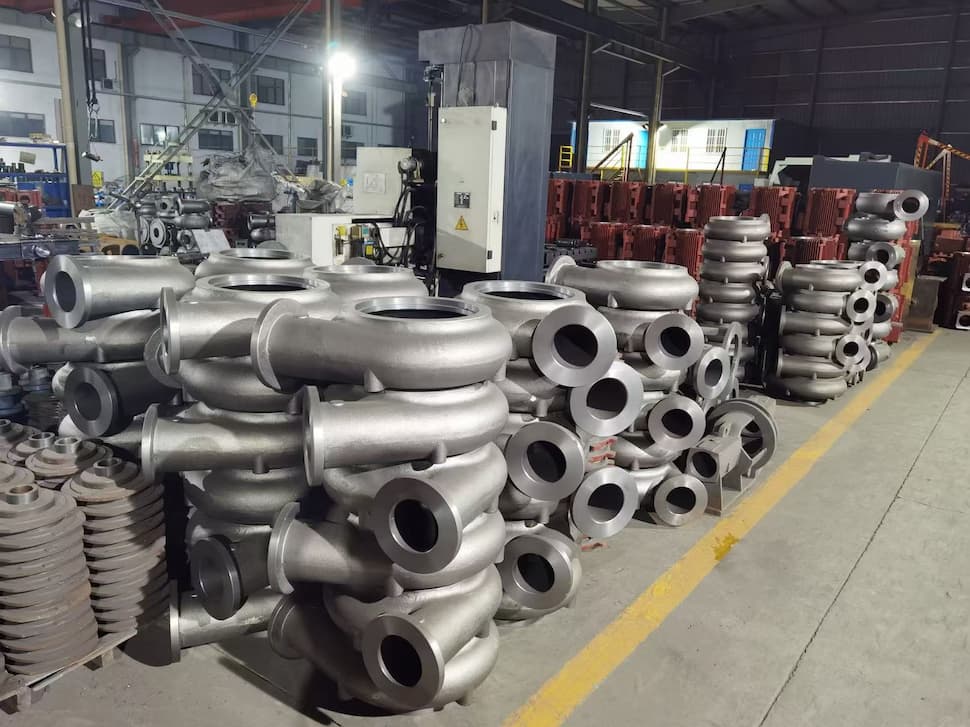
(٢) توضيح المتطلبات الأساسية للعمليات في الموقع
بالإضافة إلى ظروف الحفر، حدد المتطلبات الرئيسية التالية: أولاً، متطلبات معدل التدفق. حدد معدل التدفق المقنن (بوحدة م³/ساعة) المطلوب لمضخة الرمل وفقًا لحجم الحفر وقدرة معالجة نظام التحكم في المواد الصلبة، مع ترك هامش أمان بنسبة 10-15% لتجنب تراكم سائل الحفر نتيجة عدم كفاية معدل التدفق. ثانيًا، متطلبات الضغط. احسب الضغط المقنن المطلوب (بوحدة متر) بناءً على مسافة نقل سائل الحفر، ومقاومة خط الأنابيب، وفرق ارتفاع تركيب المعدات. تكون مقاومة خط الأنابيب لسائل الحفر عالي اللزوجة أكبر بكثير من مقاومة سائل الحفر العادي، لذا يلزم زيادة الضغط بشكل مناسب. ثالثًا، بيئة التشغيل. حدد سيناريو تركيب مضخة الرمل (منصة حفر برية، منصة حفر بحرية)، ودرجة الحرارة المحيطة، ومتطلبات مقاومة الانفجار. على سبيل المثال، تحتاج المنصات البحرية إلى اختيار مضخات رمل مقاومة لرذاذ الملح والتآكل، بينما تحتاج البيئات القابلة للاشتعال والانفجار إلى اختيار محركات مقاومة للانفجار.
ثانيًا: مؤشرات اختيار المواد الأساسية
(أ) معدل التدفق والضغط: التكيف مع الاحتياجات الفعلية للسوائل عالية اللزوجة
يُعدّ معدل التدفق والضغط من المعايير الأساسية لاختيار مضخة الرمل، ولكن عند استخدام سائل حفر عالي اللزوجة، يجب الانتباه إلى الفرق بين "المعايير الاسمية" و"المعايير الفعلية". تُحدد معايير معدل التدفق والضغط لمضخات الرمل العادية بناءً على اختبارات المياه النظيفة. عند نقل سائل حفر عالي اللزوجة، تزداد مقاومة السائل، وينخفض معدل التدفق الفعلي، ويقل الضغط. كلما زادت اللزوجة، زاد مقدار الانخفاض. لذلك، عند الاختيار، يجب تعديل معدل التدفق والضغط وفقًا للزوجة سائل الحفر: إذا كانت لزوجة سائل الحفر تتراوح بين 50 و100 ملي باسكال.ثانية، فيجب زيادة معدل التدفق والضغط بنسبة 15% إلى 20% بناءً على المعايير الاسمية؛ وإذا تجاوزت اللزوجة 100 ملي باسكال.ثانية، فيجب زيادتها بنسبة 20% إلى 30% لضمان تلبية متطلبات التشغيل الفعلية.
(II) هيكل المروحة: إعطاء الأولوية للتصميم التكيفي عالي اللزوجة
تُعدّ المروحة المكوّن الأساسي لمضخة الرمل الطاردة المركزية، ويؤثر تصميمها بشكل مباشر على كفاءة نقل سائل الحفر عالي اللزوجة وقدرتها على مقاومة الانسداد. يُفضّل استخدام نوعين من المراوح لسوائل الحفر عالية اللزوجة: أولًا، المروحة المفتوحة: تتميز هذه المروحة بشفرات مفتوحة بدون أغطية أمامية أو خلفية، وفجوات واسعة، مما يقلل من احتمالية انسدادها بجزيئات الرمل والشوائب الموجودة في سائل الحفر، كما يسهل تنظيفها وصيانتها، وهي مناسبة لسوائل الحفر ذات المحتوى الصلب العالي واللزوجة العالية. ثانيًا، المروحة ذات القناة العريضة: يزيد عرض القناة فيها بنسبة 20-30% عن عرض قنوات المراوح العادية، مما يقلل من مقاومة تدفق السوائل عالية اللزوجة، ويقلل من استهلاك الطاقة، ويقلل من ترسب الجزيئات. يُنصح بتجنب استخدام المراوح المغلقة (ذات الفجوات الضيقة، سهلة الانسداد) إلا بعد معالجة سائل الحفر مسبقًا وخفض محتواه الصلب إلى أدنى حد.
(ثالثًا) اختيار المواد: تحقيق التوازن بين مقاومة التآكل ومقاومة التآكل الكيميائي
تُسبب جزيئات الرمل والقطع الناتجة عن عمليات الحفر في سائل الحفر عالي اللزوجة تآكلًا شديدًا في مكونات تدفق مضخة الرمل، كما قد تُسبب عوامل المعالجة الكيميائية التآكل. لذا، يتطلب اختيار المواد تحقيق التوازن بين مقاومة التآكل ومقاومة التآكل الكيميائي. تُصنف المواد الشائعة إلى ثلاث فئات: أولًا، سبائك الكروم العالية (مثل Cr27)، التي تتميز بمقاومة ممتازة للتآكل، وهي مناسبة لسوائل الحفر عالية اللزوجة ذات المحتوى الصلب العالي وصلابة الرمل العالية، وتُعد المادة الأكثر استخدامًا في مواقع الحفر. ثانيًا، الفولاذ المقاوم للصدأ (مثل 316L)، الذي يتميز بمقاومة عالية للتآكل الكيميائي، وهو مناسب لسوائل الحفر عالية اللزوجة التي تحتوي على عوامل معالجة كيميائية مُسببة للتآكل، إلا أن مقاومته للتآكل أقل قليلًا من سبائك الكروم العالية. ثالثًا، المواد المركبة (مثل المراوح المطلية بالبولي يوريثان)، التي تتميز بمقاومة عالية للتآكل ومقاومة للتآكل الكيميائي، وهي مناسبة لظروف العمل المعقدة، ولكن تكلفتها مرتفعة نسبيًا، ويمكن اختيارها وفقًا للميزانية وظروف العمل.
(رابعاً) اختيار الطاقة والمحرك: مطابقة متطلبات التشغيل تحت الأحمال العالية
تتميز سوائل الحفر عالية اللزوجة بمقاومة تدفق عالية، مما يتطلب من مضخة الرمل طاقة أكبر للتغلب على هذه المقاومة أثناء التشغيل. في حال عدم كفاية طاقة المحرك، سيؤدي ذلك إلى زيادة الحمل على مضخة الرمل واحتراق المحرك. عند اختيار المحرك، يجب حساب قدرة العمود المطلوبة بناءً على معدل التدفق المصحح والضغط، بالإضافة إلى كثافة ولزوجة سائل الحفر، ثم اختيار قدرة المحرك المناسبة وفقًا لقدرة العمود. عادةً، يجب أن تكون قدرة المحرك أكبر بنسبة 10% إلى 20% من قدرة العمود لضمان هامش أمان كافٍ. في الوقت نفسه، يجب أن يكون المحرك مقاومًا للانفجار (متوافقًا مع معيار Exd II BT4) ليتناسب مع بيئة موقع الحفر القابلة للاشتعال والانفجار. بالنسبة للمنصات البحرية، يُنصح أيضًا باختيار محركات مقاومة للماء ورذاذ الملح.
(خامساً) التحكم في السرعة: إعطاء الأولوية لتصميم السرعة المتغيرة
تتذبذب لزوجة سائل الحفر عالي اللزوجة مع عملية الحفر وتغيرات درجة الحرارة. إذا كانت سرعة مضخة الرمل ثابتة، فعند زيادة اللزوجة، سينخفض معدل التدفق والضغط بشكل كبير، مما لا يفي بمتطلبات التشغيل؛ وعند انخفاض اللزوجة، سيؤدي ذلك إلى هدر الطاقة. لذلك، يُفضل استخدام مضخات الرمل الطاردة المركزية ذات السرعة المتغيرة. يمكن تعديل السرعة بمرونة وفقًا لتغير لزوجة سائل الحفر من خلال تنظيم السرعة بتحويل التردد أو تنظيم السرعة الميكانيكي، مما يضمن أن تكون مضخة الرمل دائمًا في أفضل حالة تشغيل، وهو ما لا يضمن فقط فعالية المعالجة، بل يقلل أيضًا من استهلاك الطاقة.
(VI) أداء منع التسرب: منع تسرب سائل الحفر
يتميز سائل الحفر عالي اللزوجة بلزوجة عالية ومحتوى رملي مرتفع. إذا كان أداء منع التسرب في مضخة الرمل ضعيفًا، فمن المحتمل حدوث تسرب لسائل الحفر، مما لا يلوث البيئة فحسب، بل يؤدي أيضًا إلى تآكل مكونات مثل أكمام العمود والمحامل. أثناء الاختيار، الأختام الميكانيكيةيُفضّل استخدام مواد مانعة للتسرب تتميز بأداء إحكام أفضل من مواد منع التسرب التقليدية، وقادرة على التكيف مع ظروف العمل ذات اللزوجة العالية ووجود كميات كبيرة من الرمال. في الوقت نفسه، ينبغي اختيار مواد مانعة للتسرب مقاومة للتآكل والصدأ (مثل كربيد السيليكون والجرافيت) لإطالة عمر مانع التسرب وتقليل الحاجة إلى الصيانة.
ثالثًا: خطوات الاختيار العملية
بالإضافة إلى المقدمات والمؤشرات الأساسية المذكورة أعلاه، يمكن إتمام اختيار مضخات الرمل الطاردة المركزية بسرعة ودقة وفقًا للخطوات الخمس التالية لضمان التكيف مع ظروف سائل الحفر عالي اللزوجة.
الخطوة الأولى: فرز المعايير الأساسية وتوضيح حدود الاختيار
جمع وفرز البيانات الأساسية: أولاً، معلمات سائل الحفر (اللزوجة الديناميكية، واللزوجة الساكنة، والكثافة، والمحتوى الصلب، وحجم الجسيمات، والتآكل)؛ ثانياً، متطلبات التشغيل (معدل التدفق المقدر، ومسافة النقل، وفرق ارتفاع التركيب، ودرجة حرارة بيئة التشغيل، ومتطلبات مقاومة الانفجار)؛ ثالثاً، القيود في الموقع (مساحة التركيب، ومواصفات إمداد الطاقة، ونطاق الميزانية)، وتوضيح حدود اختيار العينات الأساسية، وتجنب الاختيار العشوائي.
الخطوة الثانية: ضبط معدل التدفق والضغط بما يتناسب مع ظروف اللزوجة العالية
اضبط معدل التدفق والضغط المطلوبين وفقًا للزوجة سائل الحفر: بناءً على معدل التدفق والضغط الاسميين في ظروف المياه النظيفة، لكل زيادة قدرها 50 ملي باسكال.ثانية في اللزوجة، يتم زيادة معدل التدفق والضغط بنسبة 15-20% على التوالي. في الوقت نفسه، اضبط معلمات الضغط بشكل إضافي مع مراعاة مسافة النقل ومقاومة خط الأنابيب لضمان تلبية معدل التدفق والضغط لمتطلبات معالجة نظام التحكم في المواد الصلبة أثناء التشغيل الفعلي.
الخطوة 3: فحص المكونات الأساسية وتحديد طراز مضخة الرمل
وفقًا للمعايير المصححة، قم بفحص بنية المروحة ومادتها وطريقة منع التسرب: أعط الأولوية للمراوح ذات القنوات المفتوحة أو الواسعة، واختر سبيكة عالية الكروم (لظروف العمل التقليدية) أو الفولاذ المقاوم للصدأ (لظروف العمل المسببة للتآكل) كمادة، واختر مانع تسرب ميكانيكي مزدوج الطرف كطريقة لمنع التسرب؛ اجمع متطلبات الطاقة لاختيار طاقة المحرك المناسبة وطريقة التحكم في السرعة، وحدد مبدئيًا طراز مضخة الرمل.
الخطوة الرابعة: حساب استهلاك الطاقة وتكاليف الصيانة لتحسين خطة الاختيار
احسب استهلاك الطاقة لنموذج مضخة الرمل المختار مبدئيًا، وقارن بين قدرة التشغيل ومستوى استهلاك الطاقة لنماذج مضخات الرمل المختلفة، وحدد أولويات النماذج ذات الاستهلاك المنخفض للطاقة والكفاءة العالية؛ وفي الوقت نفسه، ضع في اعتبارك تكلفة الصيانة، واختر مضخات رمل سهلة الفك والصيانة، وتتمتع بتعدد استخدامات مكوناتها لتقليل وقت وتكاليف الصيانة اللاحقة. على سبيل المثال، اختر مراوح وأختامًا قياسية للاستبدال في الموقع.
الخطوة الخامسة: الجمع بين الدعم الفني من الشركة المصنعة لتأكيد الاختيار نهائياً
زوّد مُصنِّع مضخة الرمل بالمعايير الأساسية المُصنَّفة ومؤشرات الاختيار المُصحَّحة. وبالتعاون مع الدعم الفني للمُصنِّع، تحقَّق من خطة الاختيار، ما يُتيح للمُصنِّع تقديم توصية أكثر دقة بشأن النموذج الأمثل بناءً على خصائص منتجه وظروف سائل الحفر عالي اللزوجة، والتأكد من أداء التشغيل الفعلي وقابلية مضخة الرمل للتكيُّف لتجنُّب أي انحرافات في الاختيار، وتحديد نموذج مضخة الرمل الطاردة المركزية المناسب في نهاية المطاف.
رابعاً: دليل مآزق الاختيار
أثناء عملية اختيار مضخات الرمل لسوائل الحفر عالية اللزوجة، قد تحدث بعض المفاهيم الخاطئة، مما يؤدي إلى عدم قدرة المضخة على التكيف مع ظروف العمل وكثرة الأعطال. فيما يلي أربعة مفاهيم خاطئة شائعة وحلولها لتجنب مخاطر الاختيار.
سوء الفهم الأول: اختيار مضخات الرمل مباشرةً في ظروف المياه النظيفة، مع تجاهل تأثير اللزوجة.
تعتمد العديد من أجهزة الاختيار مباشرةً على معدل التدفق والضغط في ظروف المياه النظيفة، متجاهلةً انخفاض المقاومة الناتج عن سائل الحفر عالي اللزوجة، مما يؤدي إلى عدم كفاية معدل التدفق والضغط الفعليين لمضخة الرمل، وبالتالي عدم تلبية متطلبات التشغيل. الحل: يجب تعديل معدل التدفق والضغط وفقًا للزوجة سائل الحفر، مع ترك هامش أمان كافٍ لضمان توافق معايير التشغيل الفعلية مع المعايير المطلوبة.
سوء الفهم الثاني: السعي الأعمى وراء المعايير العالية، مع تجاهل استهلاك الطاقة وتكاليف الصيانة
يعتقد بعض المختصين أن "كلما زادت المعايير، كان ذلك أفضل"، فيختارون مضخات رمل ذات معدل تدفق وضغط يتجاوزان الاحتياجات الفعلية بكثير، مما يؤدي إلى ارتفاع استهلاك الطاقة. في الوقت نفسه، تتطلب مضخات الرمل الكبيرة تكاليف صيانة أعلى ومساحة أرضية أكبر، مما ينتج عنه هدر للموارد. الحل: حساب المعايير بدقة مع مراعاة احتياجات التشغيل الفعلية، وتجنب الإفراط في الاختيار، وإعطاء الأولوية للنماذج الفعالة والموفرة للطاقة على أساس تلبية الاحتياجات.
سوء الفهم الثالث: تجاهل مقاومة المواد للتآكل، مما يؤدي إلى تآكل سريع للمكونات
يحتوي سائل الحفر عالي اللزوجة على نسبة عالية من الرمل. في حال اختيار مضخات رمل مصنوعة من مواد عادية، ستتآكل مكونات التدفق (المراوح، غلاف المضخة) بسرعة، مما يؤدي إلى تقصير عمر المضخة وكثرة أعطالها. الحل: إعطاء الأولوية للمواد المقاومة للتآكل، مثل سبائك الكروم العالية. في ظروف التشغيل المسببة للتآكل، يُنصح باختيار الفولاذ المقاوم للصدأ أو المواد المركبة، مع الحرص على فحص حالة التآكل بانتظام واستبدال المكونات المعرضة للتآكل في الوقت المناسب.
سوء الفهم الرابع: تجاهل أداء منع التسرب، مما يؤدي إلى تسرب سائل الحفر
يركز بعض مُصنّعي مضخات الرمل على معدل التدفق والضغط فقط، متجاهلين كفاءة منع التسرب، فيختارون مضخات رمل مزودة بحشوات مانعة للتسرب. في ظروف العمل ذات اللزوجة العالية وكثافة الرمال، يكون مانع التسرب عرضةً للتلف، مما يؤدي إلى تسرب سائل الحفر. الحل: إعطاء الأولوية لمانعات التسرب الميكانيكية ثنائية الأطراف، واختيار مواد مانعة للتسرب مقاومة للتآكل والصدأ، وضمان دقة تركيب مكونات منع التسرب، والفحص الدوري لكفاءة منع التسرب وصيانتها في الوقت المناسب.



 Language :
 عربي
عربي English
 Русский
 إقتبس
إقتبس



 IPv6 دعم الشبكة